
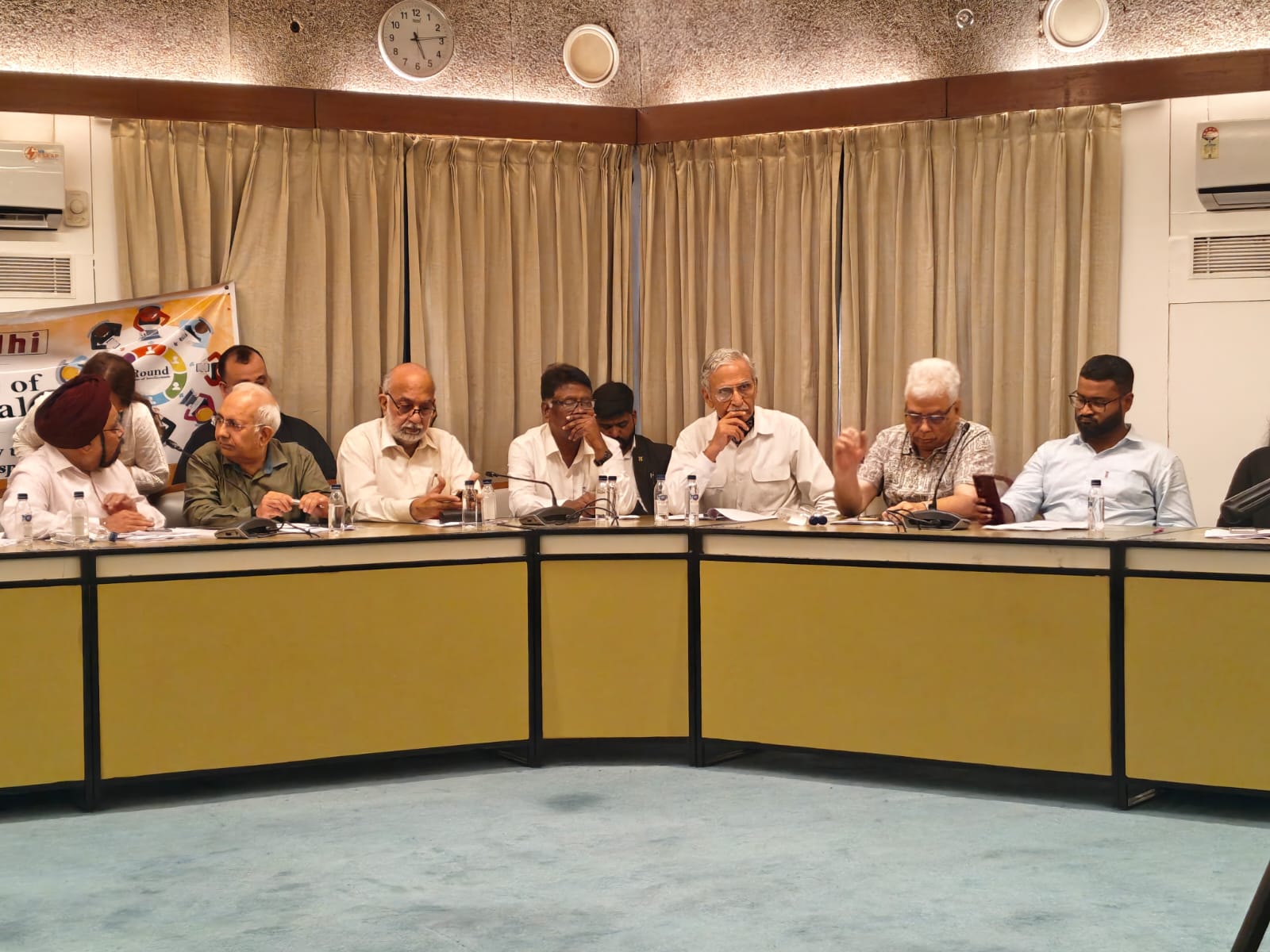
How to Combat Hate Speech and Hate Crime in India

How to Combat Hate Speech and Hate Crime in India
By: S. Masood Husain
Former Chairman, Central water Commission, GoI & Secretary (BoT), Indian Muslims for Civil Rights
Hate speech and hate crime have emerged as serious challenges to India’s social harmony and constitutional order. In a diverse country like India, where people belonging to different religions, castes, languages and ethnic groups live together, the spread of hatred against any community can have consequences far beyond the immediate target. It can undermine trust, deepen social divisions and, in extreme cases, create conditions for violence.
The challenge, therefore, is not merely to punish individual incidents but to prevent the gradual transformation of prejudice into organised hostility and violence.
Hate Speech and Hate Crime: A Distinction
Hate speech and hate crime are related but distinct phenomena. Hate speech involves communication that vilifies, dehumanises, threatens or incites hostility against individuals or groups because of their identity. Hate crime, on the other hand, involves an actual criminal act—such as assault, murder, arson, vandalism or intimidation—motivated wholly or partly by prejudice against a particular group.

The progression can often be described as:
Stereotyping → Vilification → Dehumanisation → Discrimination → Incitement → Violence
The most effective strategy is therefore to intervene before hate speech develops into hate crime.
Protecting Both Free Speech and Social Harmony
A democratic society must protect freedom of expression. At the same time, freedom of speech is not an unrestricted license to incite violence, promote communal hatred or deliberately threaten the dignity and security of others.
India already possesses legal provisions dealing with the promotion of enmity and communal hatred. The problem is therefore not simply the absence of laws. More important weaknesses are inconsistent enforcement, delays in investigation, selective application of laws and inadequate preventive mechanisms.
The principle should be simple: the same law and the same standards must apply to everyone, irrespective of political affiliation, religion, social status or position.
A Strategy of Prevention
The most important change required is a shift from a largely reactive approach to a preventive one. Authorities should identify inflammatory campaigns and communal tensions before they develop into violence.
Key recommendations
- Establish district-level Hate Speech and Hate Crime Monitoring Cells
- These could include police, district administration and suitably qualified civil-society representatives.
- Serious incidents should be assessed rapidly and impartially.
- Create a 24-hour rapid-response mechanism
- Serious inflammatory speeches, social-media campaigns and threats should be examined promptly.
- Digital evidence such as videos, posts and screenshots should be preserved before it disappears.
- Develop an early-warning system
- Authorities should monitor periods of heightened vulnerability, particularly elections, religious festivals, processions and existing communal disputes.
- Preventive dialogue should begin before tensions escalate.
- Ensure equal and impartial enforcement
- A political leader, religious leader, social-media influencer or ordinary citizen should be subject to the same legal standards.
- Selective prosecution or selective non-action damages public confidence and may itself generate resentment.
Countering Hate on Social Media
Social media has transformed the speed and reach of hate campaigns. A false or inflammatory message can reach millions within hours.

The response should combine technology, regulation and public awareness:
- Social-media platforms should provide effective mechanisms for reporting dangerous content.
- Coordinated campaigns promoting violence should be identified rapidly.
- Platforms should preserve relevant evidence for lawful investigation.
- Greater transparency should be required regarding removal and moderation decisions.
- Automated systems should be supplemented by human review because cultural and linguistic context matters.
However, countering hate should not mean countering hate with more hate. False claims should be answered with credible facts rather than communal retaliation.
Role of Political and Religious Leadership
Political parties and religious leaders have a special responsibility because their words can influence large sections of society.
Political parties could adopt a voluntary Code of Conduct against Hate Speech, with internal disciplinary action against members who repeatedly engage in communal vilification.
Religious leaders of all communities should jointly condemn violence and collective blame. An important principle should be:
We must condemn hatred against another community with the same sincerity with which we condemn hatred against our own community.
Education and Constitutional Values
Long-term success requires changing social attitudes, particularly among young people. Schools and universities should incorporate constitutional and media literacy.
Students should learn:
- constitutional values of equality, dignity and fraternity;
- how misinformation and propaganda operate;
- how social-media algorithms can amplify extreme content;
- how to distinguish criticism from incitement;
- the importance of respectful disagreement.
The objective should be constitutional citizenship rather than political indoctrination.
Protecting Victims and Recording Data
Victims of hate crimes may hesitate to approach the authorities because of fear of retaliation or lack of confidence in the system.
A comprehensive policy should therefore provide:
- accessible complaint mechanisms;
- protection for victims and witnesses;
- legal assistance;
- appropriate compensation and rehabilitation;
- systematic recording of hate-motivated incidents.
Reliable national data are essential for understanding the scale, geographical concentration and changing patterns of hate crime.
Building a Culture of Counter-Speech
Ultimately, law alone cannot eliminate hatred. Civil society must create a culture in which prejudice is challenged rather than silently tolerated.

Intellectuals, journalists, academics, artists, religious leaders and community organisations should promote dialogue and highlight India’s long history of inter-community cooperation.
Five immediate priorities
- National Hate Speech and Hate Crime Monitoring Network
- 24-hour Rapid Response System
- Uniform Police Enforcement Protocol
- Permanent Interfaith and Community Peace Committees
- National Programme for Constitutional and Media Literacy
Conclusion
India does not merely need stronger punishment after hate crimes occur; it needs a comprehensive system of prevention, impartial enforcement, education and social reconciliation.
The ultimate objective should be to break the chain:
Prejudice → Hate Speech → Incitement → Violence
before it reaches the final stage.
Combating hate speech should therefore not be viewed as censorship or as a struggle between competing communities. It should be understood as a defence of India’s constitutional promise of equality, dignity, fraternity and peaceful coexistence.
The guiding principle should be universal and non-partisan:
One standard, one law and one human dignity—for everyone.
(The views expressed in the above article are personal)
Annex
Combating Hate Speech and Hate Crime: Key Suggestions/ Recommendations
- Ensure Equal and Impartial Enforcement of Law
- Apply the same legal standards to everyone, irrespective of religion, caste, political affiliation, social status or position.
- Take prompt action against hate speech that promotes violence, hostility or discrimination.
- Avoid both selective prosecution and selective inaction, as both undermine public confidence.
- Establish a Rapid-Response Mechanism
- Create a 24-hour Hate Speech and Hate Crime Response System at district/state levels.
- Quickly assess serious inflammatory speeches, threats and online campaigns.
- Preserve videos, social-media posts, screenshots and other digital evidence for investigation.
 Advertisement
- Develop an Early-Warning System
- Identify areas and situations where communal tensions may escalate.
- Pay special attention to elections, religious festivals, processions and existing disputes.
- Initiate preventive dialogue between communities before tensions turn into violence.
- Create Hate Speech & Hate Crime Monitoring Cells
- Establish professional monitoring cells involving police, administration and suitably qualified civil-society representatives.
- Maintain systematic records of incidents and identify recurring patterns and vulnerable areas.
- Prepare periodic reports to guide preventive policies.
- Strengthen Social-Media Accountability
- Encourage platforms to provide effective mechanisms for reporting dangerous or inflammatory content.
- Act rapidly against coordinated campaigns that promote violence or communal hatred.
- Preserve evidence required for lawful investigation.
- Ensure transparency in content moderation while protecting legitimate freedom of expression.
- Counter Misinformation with Facts
- Establish credible rapid fact-checking and communication mechanisms during communal tensions.
- Respond to rumours before they spread widely.
- Promote factual counter-speech rather than responding to hate with counter-hate.
- Promote Responsible Political Leadership
- Political parties should adopt a Code of Conduct against Hate Speech.
- Parties should take internal disciplinary action against members who repeatedly engage in communal vilification.
- Political competition should never be allowed to become a justification for incitement against communities.
- Mobilise Religious and Community Leaders
- Create permanent Interfaith and Community Peace Committees at district/local levels.
- Religious leaders should jointly condemn violence, collective blame and dehumanisation.
- Communities should condemn hate directed against other communities with the same sincerity as hate directed against themselves.
- Introduce Constitutional and Media Literacy
- Incorporate constitutional values—equality, dignity, fraternity and pluralism—in education.
- Teach young people to recognise misinformation, propaganda and manipulated content.
- Promote responsible use of social media and respectful disagreement.
- Protect Victims of Hate Crime
- Provide easily accessible mechanisms for reporting hate crimes.
- Protect victims and witnesses from intimidation or retaliation.
- Ensure legal assistance, rehabilitation and appropriate compensation.
- Give special attention to vulnerable groups.
- Improve Data and Research
- Develop a reliable national database of hate speech and hate-motivated crimes.
- Record patterns relating to location, nature of offence, perpetrators, victims and triggers.
- Use evidence-based research to develop preventive policies.
- Build a Culture of Counter-Speech and Social Solidarity
- Intellectuals, journalists, academics, artists and civil-society organisations should actively challenge stereotypes and prejudice.
- Highlight positive examples of inter-community cooperation.
- Encourage dialogue rather than isolation and confrontation.
You May Also Like
 Culture
Redefining Muslim Leadership in Contemporary India-A Framework of Inclusive Community Governance
Redefining Muslim Leadership in Contemporary India-A Framework of Inclusive Community Governance By: S. Masood...
 Culture
Reforming Muslim Society in India: A Call for Introspection and Renewal
Reforming Muslim Society in India: A Call for Introspection and Renewal By: S. Masood...
 Culture
A Child Reflects the Home He Grows In
A Child Reflects the Home He Grows In By: Mohammad Taukir Rahmani Subeditor: Eastern...
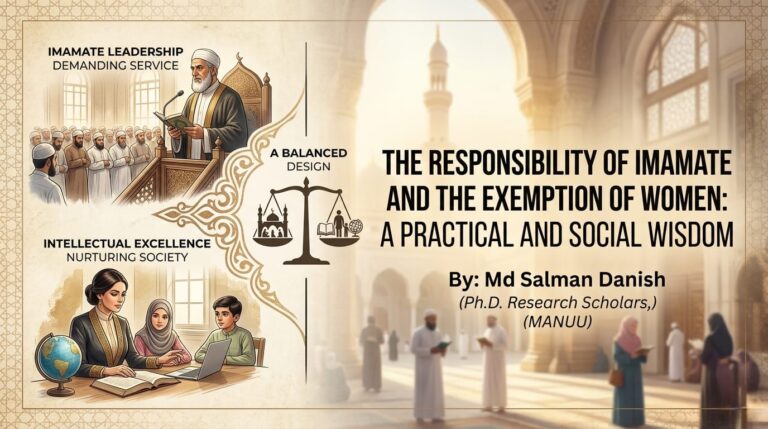 Culture
The Responsibility of Imamate and the Exemption of Women: A Practical and Social Wisdom
The Responsibility of Imamate and the Exemption of Women: A Practical and Social Wisdom...
 Culture
The Flood of Heresy: A Manifestation of Ideological Colonialism and a Trial for Islamic Consciousness
The Flood of Heresy: A Manifestation of Ideological Colonialism and a Trial for Islamic...
 Culture
Meaning of Love for the Prophet Muhammad (SAWS)
Meaning of Love for the Prophet Muhammad (SAWS) By: Khursheed Alam Dawood Qasmi Moon...
Comments (0)
Leave a Comment