
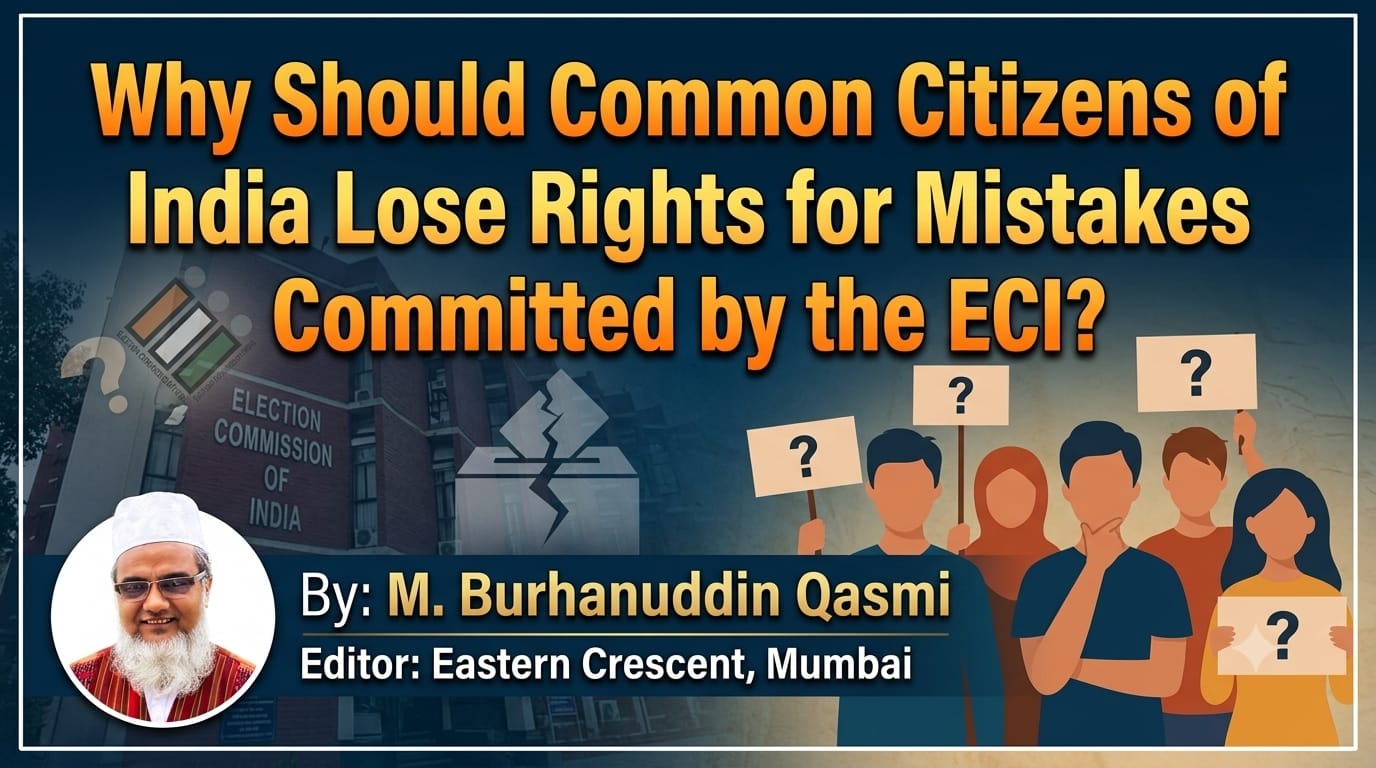
Why Should Common Citizens of India Lose Rights for Mistakes Committed by the ECI?

Why Should Common Citizens of India Lose Rights for Mistakes Committed by the ECI?
By: M. Burhanuddin Qasmi
Editor, Eastern Crescent, Mumbai
The ongoing Special Intensive Revision (SIR) of electoral rolls raises a fundamental question that cannot be brushed aside: when discrepancies in electoral records arise from earlier administrative processes and a lack of professionalism, why should ordinary citizens bear the entire burden and potentially lose their right to vote and avail themselves of the rights and facilities guaranteed to citizens of India because of those errors?
In previous SIR exercises, enumeration was largely carried out manually. In many places, forms were filled out and records maintained by field-level personnel under difficult conditions, creating considerable scope for errors in names, genders, photographs, addresses, spellings, ages, and other particulars. With the subsequent expansion of digital systems and online submission of voter information through ECINET, many such discrepancies have been corrected or now appear differently in later electoral rolls, often through the extra efforts of individual voters themselves.
This creates an obvious question of responsibility. If an error or omission originated during an earlier electoral registration or enumeration process, why should the citizen automatically be held responsible for it? A citizen who has been on the electoral roll for years should not be asked to prove his or her eligibility afresh merely because an earlier administrative record contained an error. At the very least, the burden should not fall entirely on the citizen without a fair opportunity to establish eligibility. Around 13 crore adult Indians are hanging in the balance, and their rights as citizens are being questioned mainly because their previous records do not map or match with the present ones, or because they do not know how to locate their legacy data.

The issue becomes even more serious when we look at what happened in West Bengal recently. During the SIR process, more than 90 lakh names were ultimately removed from the electoral rolls through different stages of the exercise. Reports indicate that the process involved tens of lakhs of cases requiring adjudication, with some names subsequently included and others excluded.
This experience raises a larger democratic question: how can an election be considered satisfactory when such a massive number of voters are removed from the electoral roll just before an election and their eligibility is still being contested or reviewed? How can that election be regarded as fair when many of those who could not participate due to an ongoing SIR process were later restored as genuine voters after the election was over in West Bengal?
Even where the ECI has followed a formal procedure, the sheer scale of deletions demands extraordinary transparency, scrutiny, and safeguards. Alternatively, polling should be delayed until the electoral roll is finalised following the SIR. A voter’s right to participate in an election should not depend upon the accuracy of a decades-old clerical entry or the ability of an ordinary citizen to navigate a complicated verification process at short notice.
The same principle applies to the delimitation of constituencies. In Assam, the ECI’s delimitation exercise was finalised in 2023, with the Commission stating that it considered representations from political parties and other organisations, including concerns about demographic patterns and the representation of different social groups.
However, questions about substantial differences in the number and composition of voters across neighbouring constituencies deserve public examination. If one constituency has a substantially larger electorate than another, the reasons must be transparent, objective, and constitutionally defensible. Delimitation cannot be perceived as an exercise in categorising or profiling voters on the basis of religion, language, or race. Nor can it be undertaken to help particular parties or groups gain political advantages through population arithmetic. The constitutional principle must remain equal political representation for all, without discrimination based on caste, colour, language, or religious affiliation.
Another serious concern relates to the manpower being deployed for the SIR. In several places, Booth Level Officers (BLOs) are regular government employees, including schoolteachers, who are expected to perform enumeration and verification duties in addition to their normal responsibilities. The question is as practical as it is administrative: can a person already responsible for regular teaching duties simultaneously undertake a massive, time-bound electoral exercise with the accuracy and attention it requires?

The situation being reported from Maharashtra deserves particular attention. BLOs are reportedly overburdened, stretched beyond reasonable limits, and, in some cases, insufficiently trained in the technical requirements of the exercise. When the workload becomes excessive and adequate training or logistical support is lacking, mistakes are not surprising. Yet the consequences of those mistakes ultimately fall upon ordinary citizens.
This is the central contradiction: the administration creates the electoral record, the administration changes or verifies the record, and the administration conducts the revision, but when a discrepancy appears, the citizen is often asked to bear the consequences. That cannot become the normal principle of democratic administration.
An electoral roll is not merely a government database. It is the foundation through which citizens exercise their constitutional right to participate in representative government. Therefore, deletion of a name from the electoral roll should be approached with the greatest possible caution. A discrepancy in spelling, address, age, or an old enumeration record should trigger verification, not an assumption of wrongdoing by the citizen.
There is also an important distinction between the right to vote and citizenship. A person’s name being excluded from an electoral roll does not, by itself, legally establish that the person is not an Indian citizen. Therefore, electoral-roll verification must not be allowed to create unnecessary fear that an administrative discrepancy automatically places a citizen’s nationality or citizenship rights in jeopardy. However, what is being reported from West Bengal, Delhi, and parts of Uttar Pradesh is alarming. Certain citizens whose names were deleted during the SIR process are reportedly facing the deprivation of various rights and services ordinarily available to citizens of this country.
There have been growing concerns regarding the working style of the Election Commission of India, and almost all opposition parties have repeatedly voiced objections without much effect. Indian Express journalist Ms Ritika Chopra’s recent reporting has intensified the debate and added further momentum to questions being raised about the Commission’s conduct and functioning.
The growing public anger must be viewed in this broader context. The INDIA bloc and the Cockroach Janta Party (CJP) have announced nationwide protests beginning on 2 October over the SIR process, followed by protest calls from Shiv Sena (UBT) in Maharashtra. Their concerns regarding the Election Commission, Chief Election Commissioner Gyanesh Kumar, and CJI Surya Kant are undoubtedly serious matters requiring public attention and scrutiny.
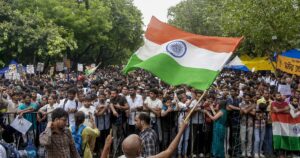
These developments reflect a wider political and public debate over electoral transparency and the functioning of the Election Commission. The “Save Democracy” movement is gathering momentum and may contribute to long-awaited electoral reforms in India.
At the same time, allegations of manipulation, communal bias, or deliberate wrongdoing should be established through evidence and due investigation rather than assumption. The Election Commission has defended its procedures, while opposition parties and civic groups have raised serious objections. The appropriate democratic response is therefore greater transparency, independent scrutiny, accessible records, and effective remedies for affected voters. Whoever the culprit may be, and however powerful he or she may be, accountability must follow. Causing hardship to citizens and undermining democratic processes and constitutional principles should be treated as a grave offence.
The responsibility of the Election Commission is not merely to conduct elections but to ensure that every eligible citizen can participate in them with confidence. If mistakes have occurred in earlier electoral records, those mistakes must be corrected systematically. Citizens should not be made victims of administrative deficiencies over which they had no control.
India is a sovereign, socialist, secular, democratic republic, and the credibility of its elections is central to its constitutional system. For Indians, the idea of India and its democratic character are dearer than anything else. We may disagree politically, but we cannot afford to compromise the basic principles of equal citizenship, representation, and the right of eligible citizens to participate in choosing their representatives.
The present controversy should therefore be used as an opportunity for comprehensive electoral reform, not merely another political confrontation. Electoral rolls must be accurate, the methodology must be transparent, BLOs must receive adequate training and resources, citizens must have a meaningful opportunity to correct discrepancies, and no eligible voter should lose the right to vote merely because of an administrative error inherited from an earlier electoral record.
The mistakes, wherever they have occurred, must be identified and corrected before it is too late.
You May Also Like
 Editorial
The Protest and Arrests in Delhi
The Protest and Arrests in Delhi By: M. Burhanuddin Qasmi Editor: Eastern Crescent, Mumbai...
 Editorial
Electoral Reform in India Is a Must
Electoral Reform in India Is a Must By: M. Burhanuddin Qasmi Editor: Eastern Crescent,...
 Editorial
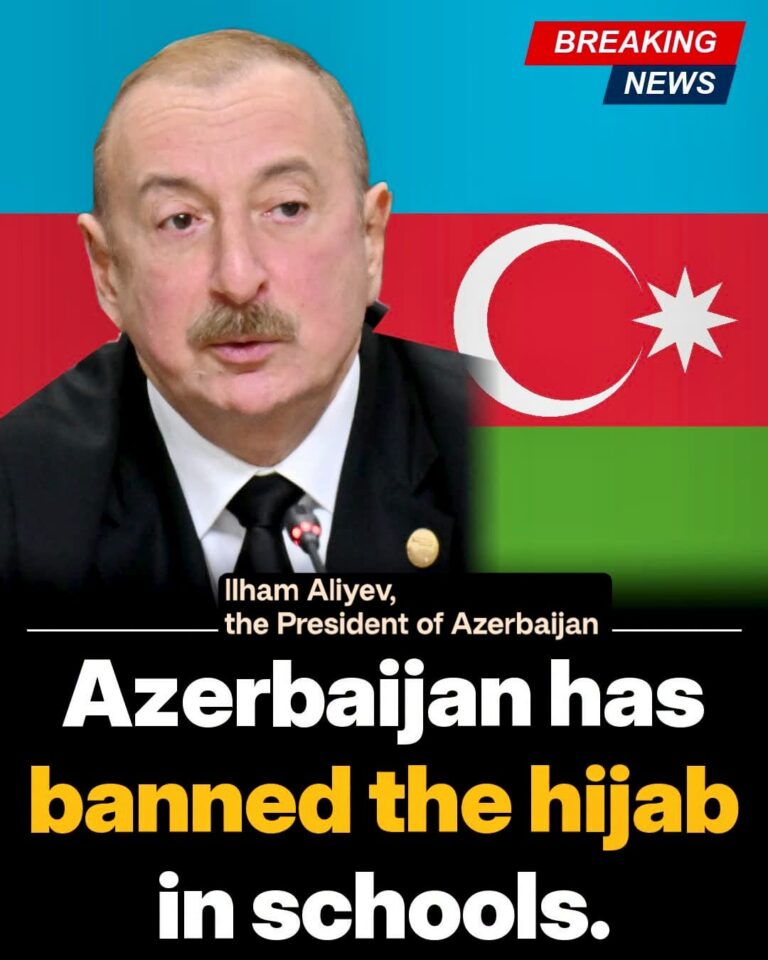
Azerbaijan’s Aliyev Is Digging His Own Political Grave
Azerbaijan’s Aliyev Is Digging His Own Political Grave By: M. Burhanuddin Qasmi Editor: Eastern...
 Editorial
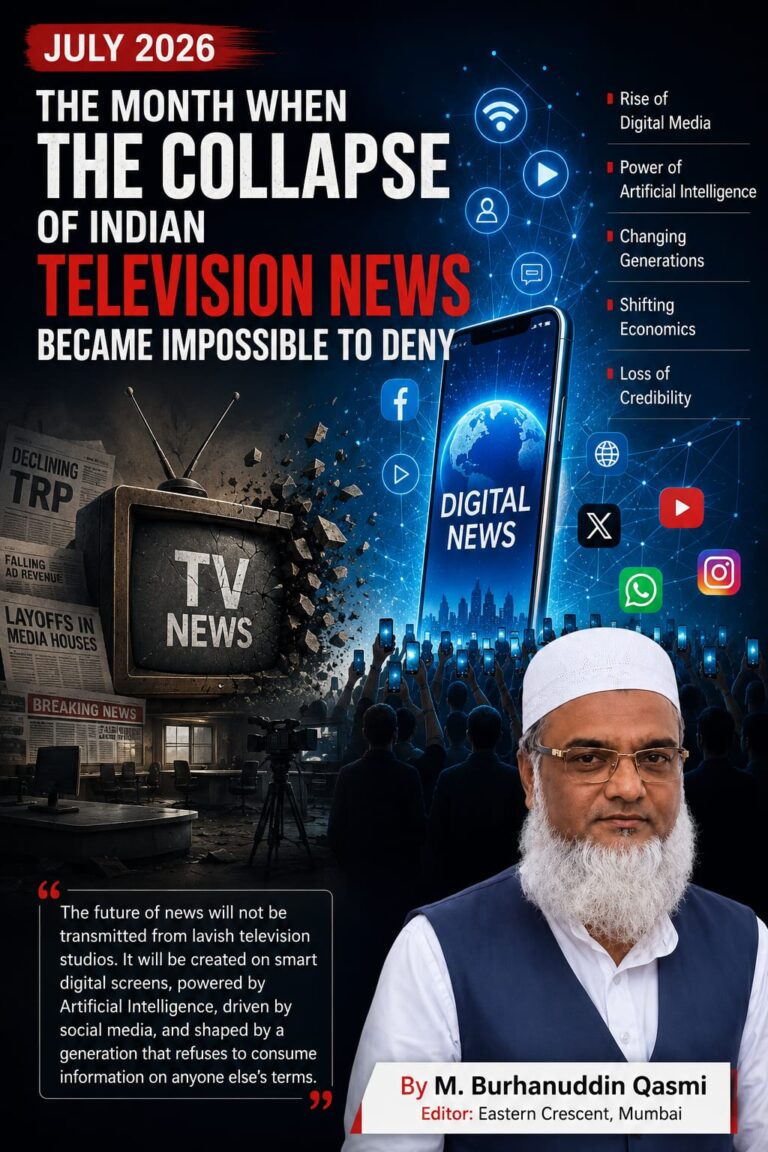
July 2026: The Month When the Collapse of Indian Television News Became Impossible to Deny
July 2026: The Month When the Collapse of Indian Television News Became Impossible to...
 Editorial
The First Major Success of the Cockroach Movement
The First Major Success of the Cockroach Movement By: M. Burhanuddin Qasmi Editor: Eastern...
 Editorial
Some Are Happy for Spain's World Cup Victory, Others for Argentina's Defeat
Some Are Happy for Spain's World Cup Victory, Others for Argentina's Defeat By: M....
Comments (0)
Leave a Comment