
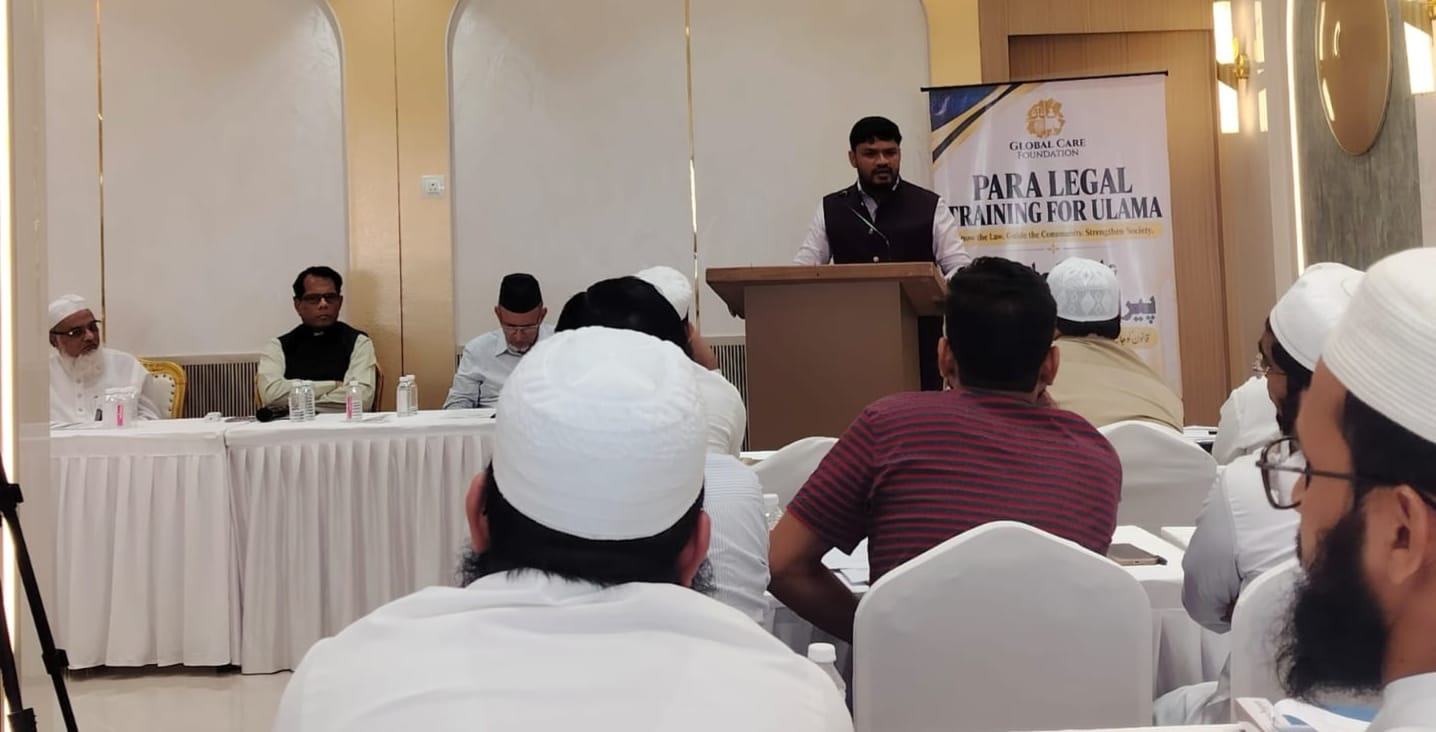
Global Care Foundation Organises Two-Day Para-Legal Training Workshop for Ulama in Mumbai

Global Care Foundation Organises Two-Day Para-Legal Training Workshop for Ulama in Mumbai
Workshop focuses on constitutional rights, legal awareness and civic responsibilities among religious leaders
EC Special Report
By: Mohammad Taukir Rahmani
MUMBAI, October 21, 2026: The Global Care Foundation organised a two-day workshop titled “Para-Legal Training for Ulama” at Islam Gymkhana, Marine Lines, Mumbai on October 19 and 20, 2026. The programme aimed to enhance legal awareness among Islamic scholars and imams, equipping them with a better understanding of the Indian Constitution, citizens’ legal rights and civic responsibilities.
Advocate Abid Ahmad Kundalam, Director of the Global Care Foundation, said the initiative was designed to enable religious leaders to understand essential legal provisions and share this knowledge with the wider community. Given their close engagement with the public and their role in guiding people through mosques and religious gatherings, Ulama and imams can play a significant role in promoting legal literacy and helping citizens become aware of their rights and responsibilities.
The two-day workshop covered a wide range of subjects, including government welfare schemes, the functioning of public institutions, criminal law, constitutional rights, property and inheritance matters, family disputes, documentation and cybersecurity.
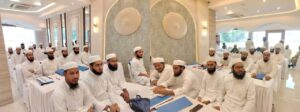
Mufti Ashfaq Qazi, a well-known personality in Mumbai, introduced various NGOs working in Mumbai and its surrounding areas and explained their functioning. Social activist Zakir Shikalgar spoke about government welfare schemes and the ways eligible beneficiaries could access them. He highlighted that several sections of the Muslim community face socio-economic disadvantages and that, despite the availability of various welfare schemes, a lack of awareness and guidance often prevents eligible individuals from benefiting from them.
The participants were also introduced to the administrative structure of government departments, their respective jurisdictions and their responsibilities in public administration. Adv. Shahnawaz Pathan delivered a detailed session on issues concerning prisoners and their legal circumstances. He also explained key provisions of the Protection of Children from Sexual Offences (POCSO) Act and highlighted the importance of understanding the legal safeguards and responsibilities associated with cases involving children.
Adv. Mubin Solkar, an experienced lawyer practising at the Bombay High Court, conducted an extensive session on criminal law. He explained Article 25 of the Constitution of India, fundamental rights, the registration of First Information Reports (FIRs), different types of FIRs and other relevant aspects of criminal proceedings. His session also familiarised participants with important legal procedures and the rights available to citizens in criminal matters.
Adv. Faizan Qureshi addressed legal issues concerning Waqf properties, madrasas and mosques, emphasising the importance of maintaining proper documentation and safeguarding relevant records.
The second day of the workshop was equally informative, with sessions addressing constitutional, property, inheritance and family-related matters.
Senior Adv. Yusuf Muchalla spoke about the Constitution of India, fundamental rights and the duties and responsibilities of citizens. Adv. Zain Khan explained property laws and inheritance-related issues, while Adv. Faisal Qazi discussed the legal framework governing matrimonial laws and family disputes.
Mr. Rizwan Shaikh, a Sybersecurity expert delivered a session on mobile phone usage and cybersecurity. He addressed common misconceptions about smartphone security, particularly the perception that iPhones are completely secure and difficult to hack, whereas Android devices are inherently less secure. He explained that digital security depends on several factors, including device settings, software updates and user practices, rather than merely the brand or operating system.
He also highlighted certain unusual device behaviours, such as frequent hanging, unusually rapid battery drainage and unexpected storage consumption, advising users to exercise caution and investigate such issues. These symptoms, however, are not conclusive evidence of hacking. He stressed the importance of protecting personal information, avoiding the unnecessary storage of sensitive data on mobile devices and adopting responsible digital security practices.
Throughout the programme, Adv. Abid Ahmed Kundalam, workshop organizer, provided explanations of relevant legal provisions and addressed participants’ queries. He also spoke about personality development and the importance of developing individual capabilities alongside professional and social awareness.

The workshop concluded with the distribution of certificates to the participants. The Ulama who attended the programme expressed positive feedback, appreciated the initiative and emphasised the need for more such workshops to strengthen legal awareness among religious scholars and the wider community.
The initiative highlighted the potential role of Ulama and imams as community-level resource persons who can help bridge the gap between legal institutions and ordinary citizens by disseminating accurate information about constitutional rights, legal procedures and civic responsibilities.
You May Also Like
 Breaking News
Nepal’s Himalayan Flood: When a Glacier Collapse Turned into a Catastrophe
Nepal’s Himalayan Flood: When a Glacier Collapse Turned into a Catastrophe By: S. Masood...
 Breaking News
US Envoy Takes Dig at Indian TV News, Says Late-Night Shows Get ‘Crazier’
US Envoy Takes Dig at Indian TV News, Says Late-Night Shows Get ‘Crazier’ EC...
 Breaking News
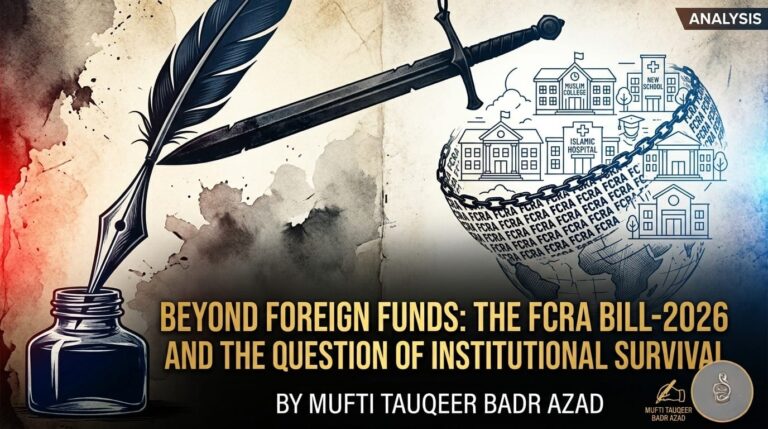
Beyond Foreign Funds: The FCRA Bill and the Question of Institutional Survival
Beyond Foreign Funds: The FCRA Bill and the Question of Institutional Survival By: Mufti...
 Breaking News
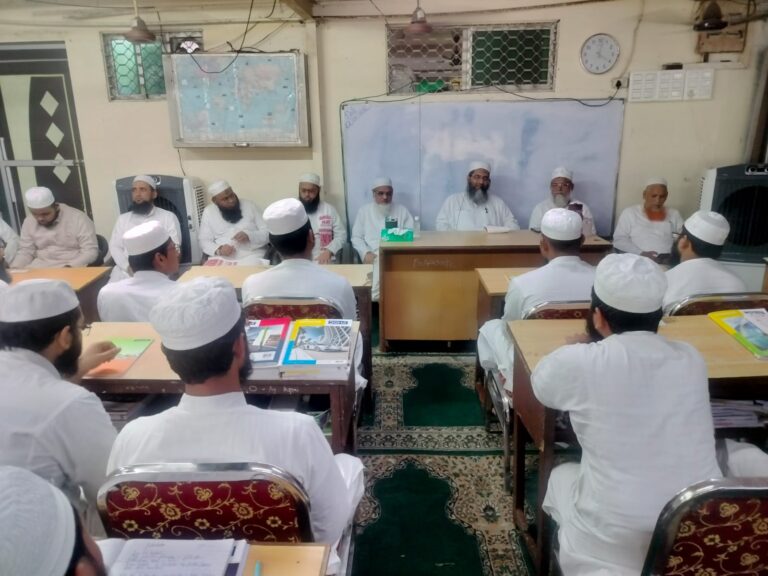
Renowned Saudi Hanafi Scholar Mufti Muhammad Umar Shafiq Hijazi Visits MMERC, Mumbai
Renowned Saudi Hanafi Scholar Mufti Muhammad Umar Shafiq Hijazi Visits MMERC, Mumbai EC News...
 Breaking News
Moral Inculcating Summer Camp Concludes Successfully at Al-Hidya Campus, Badlapur
Moral Inculcating Summer Camp Concludes Successfully at Al-Hidya Campus, Badlapur EC News Desk 4...
 Breaking News
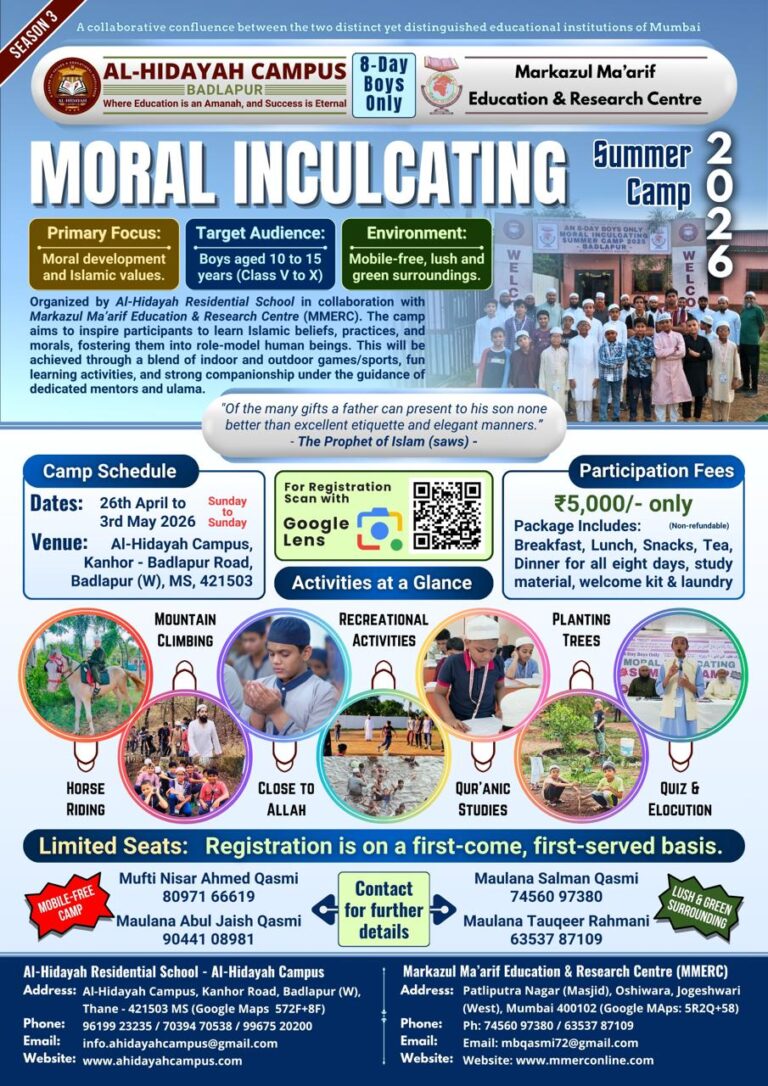
Moral Inculcating Summer Camp Organized in Badlapur in Collaboration with MMERC, Mumbai
Moral Inculcating Summer Camp Organized in Badlapur in Collaboration with MMERC, Mumbai (A Sincere...
Comments (0)
Leave a Comment