
Interference in Muslim Personal Law Unacceptable; No Constitutional or Social Justification for Implementing UCC: AIMPLB

Interference in Muslim Personal Law Unacceptable; No Constitutional or Social Justification for Implementing UCC: AIMPLB
Board presents its firm position before Justice Ranjana Desai Committee; Mufti Jaseemuddin Qasmi emphasises protection of religious freedom and constitutional rights
EC News Desk
22/11/2026
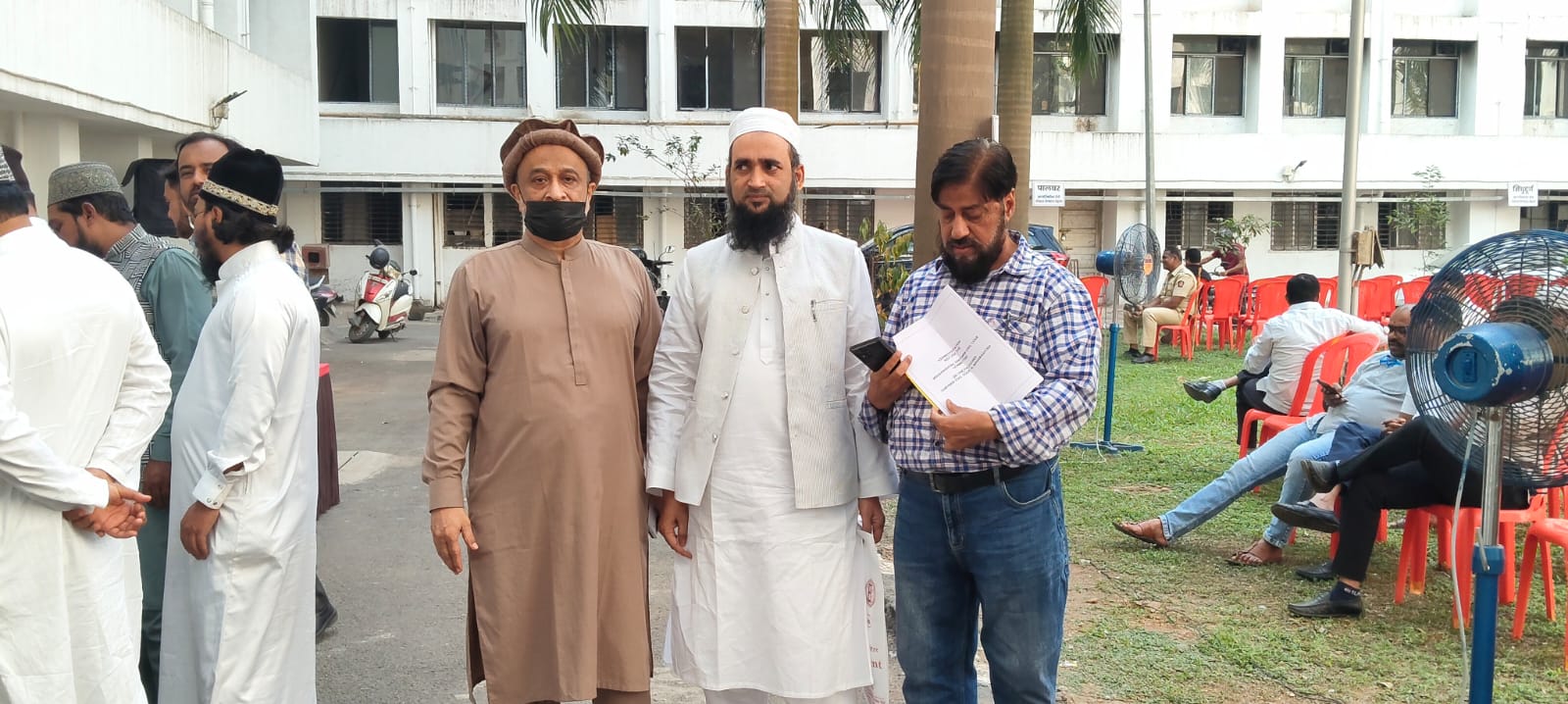
Mumbai: During the ongoing public consultation on the proposed Uniform Civil Code (UCC) in Maharashtra, on 21st November 2026 a delegation of the All India Muslim Personal Law Board (AIMPLB) met the committee headed by Justice Ranjana Desai and presented the Board’s detailed position on the proposed implementation of the Uniform Civil Code. The delegation maintained that there is no demonstrated necessity for implementing the UCC in Maharashtra under the present circumstances. It emphasised that any decision on such a sensitive matter must take into account constitutional provisions, religious freedom, Muslim Personal Law and social harmony.
The AIMPLB delegation comprised Mufti Jaseemuddin Qasmi, Dr Azeemuddin, Abdul Haseeb Bhatkar, Mohammad Taukir Rahmani and Mohd Khalid Bhai. Representing the Board, Mufti Jaseemuddin Qasmi presented its detailed submission before the committee, explaining the various constitutional, legal, religious and social dimensions of the proposed Uniform Civil Code.
In his submission, Mufti Jaseemuddin Qasmi stated that the All India Muslim Personal Law Board respects the Constitution, the principle of equality and the fundamental rights of all citizens. However, he maintained that the implementation of a Uniform Civil Code in Maharashtra is not warranted under the prevailing circumstances. Referring to Article 44 of the Constitution, he pointed out that the expression “Shall Endeavour” directs the State to make efforts towards securing a Uniform Civil Code but does not make its implementation obligatory under all circumstances. Since Article 44 forms part of the Directive Principles of State Policy, it must be interpreted in harmony with the Fundamental Rights guaranteed by the Constitution.
He further emphasised that equality and uniformity are two distinct concepts. India is a country characterised by religious, cultural and civilisational diversity. Legal pluralism does not undermine national unity; rather, respect for the beliefs, traditions and rights of different religious and social communities strengthens the country’s democratic and constitutional foundations.
The delegation expressed concern that the implementation of a Uniform Civil Code could adversely affect citizens’ fundamental rights, particularly those guaranteed under Article 25 (freedom of religion and freedom of conscience), Article 26 (rights of religious denominations to manage their religious affairs), Article 21 (personal liberty, dignity and privacy) and Article 29 (protection of cultural interests). It pointed out that matters such as marriage, divorce and inheritance are closely connected with the religious beliefs and Personal Law of Muslims. Therefore, any legislative intervention in these matters must ensure the protection of religious freedom and constitutional rights.
Referring to the report of the 21st Law Commission of India, dated August 31, 2018, Mufti Jaseemuddin Qasmi noted that the Commission had observed that a Uniform Civil Code was neither necessary nor desirable at that point in time. He raised important questions before the committee: What significant changes have taken place over the past few years that now make the implementation of a Uniform Civil Code necessary? Furthermore, what specific shortcomings exist in the present legal framework that require the introduction of a new uniform law?
He also stated that India’s greatest strength lies in its diversity. The Constitution guarantees every citizen the right to live in accordance with their religious beliefs and cultural traditions. The Muslim Personal Law Board, he clarified, does not oppose necessary legal reforms aimed at addressing injustice, discrimination and social problems. However, it does not consider the imposition of a single personal law upon all citizens necessary under the present circumstances.

Key Recommendations Submitted to the Committee
The delegation placed the following demands and recommendations before the committee:
1. The necessity and justification for implementing the Uniform Civil Code in Maharashtra should be reconsidered.
2. All religious and social communities should be taken into confidence before any decision is made.
3. Comprehensive consultations should be held with Muslim scholars, women’s organisations, and constitutional and legal experts.
4. The draft of the proposed legislation should be made available to the public.
5. All objections, concerns and suggestions submitted by the public should be considered seriously.
6. A recommendation for implementing the Uniform Civil Code under the present circumstances should be avoided.
Concluding its submission, the delegation stressed that no decision on a sensitive and far-reaching issue such as the Uniform Civil Code should be taken in haste. Instead, transparency, extensive consultation and the confidence of all religious and social communities must be ensured. It maintained that any approach to the issue should uphold the constitutional principles of India while safeguarding religious freedom, Muslim Personal Law and social harmony.
You May Also Like
 Press Release
2nd Elocution Competition Held at MMERC, Mumbai
2nd Elocution Competition Held at MMERC, Mumbai “Presentation is a very important part of...
 Press Release
MMERC Holds Online Lecture on Opportunities for Madrasa Graduates in the AI Era
MMERC Holds Online Lecture on Opportunities for Madrasa Graduates in the AI Era EC...
 Press Release
Executive Committee Meeting of the All India Muslim Personal Law Board Concludes
Executive Committee Meeting of the All India Muslim Personal Law Board Concludes Important Decisions...
 Press Release
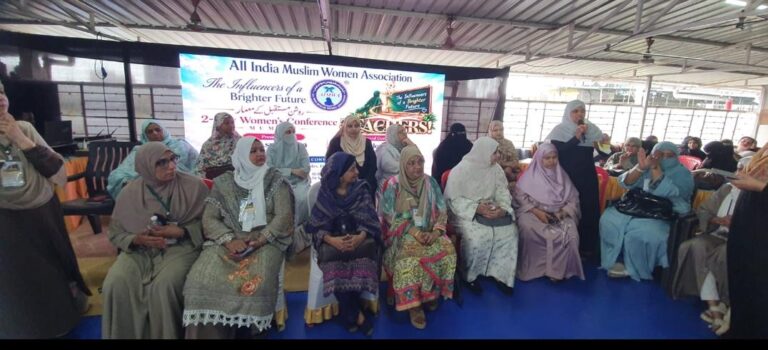
AIMWA Conference in Mumbai Brings Together Teachers, Girls and Women from Across India
AIMWA Conference in Mumbai Brings Together Teachers, Girls and Women from Across India EC...
 RELIGION
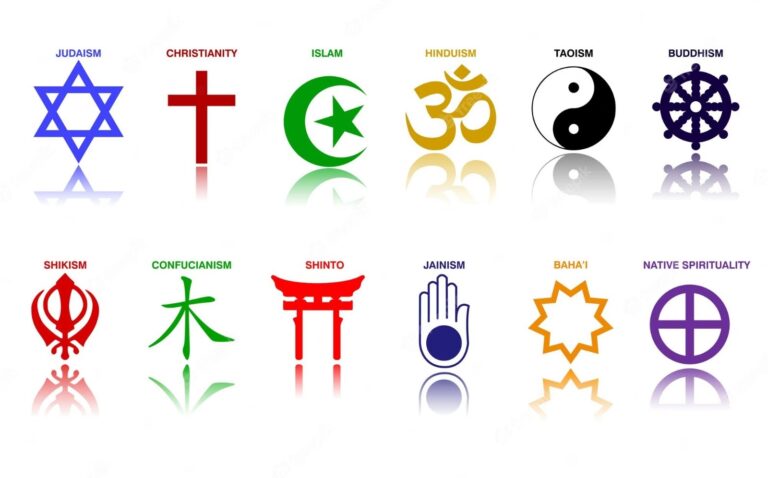
A Glance Over Major Religions of the World
A Glance Over Major Religions of the World By M. Burhanuddin Qasmi Director: Markazul Ma’arif...
 Qur'anic Wisdom
System of Zakat: Purifying Wealth, Empowering Society
System of Zakat: Purifying Wealth, Empowering Society By: Mufti Jaseemuddin Qasmi Coordinator Online Darul...
Comments (0)
Leave a Comment